
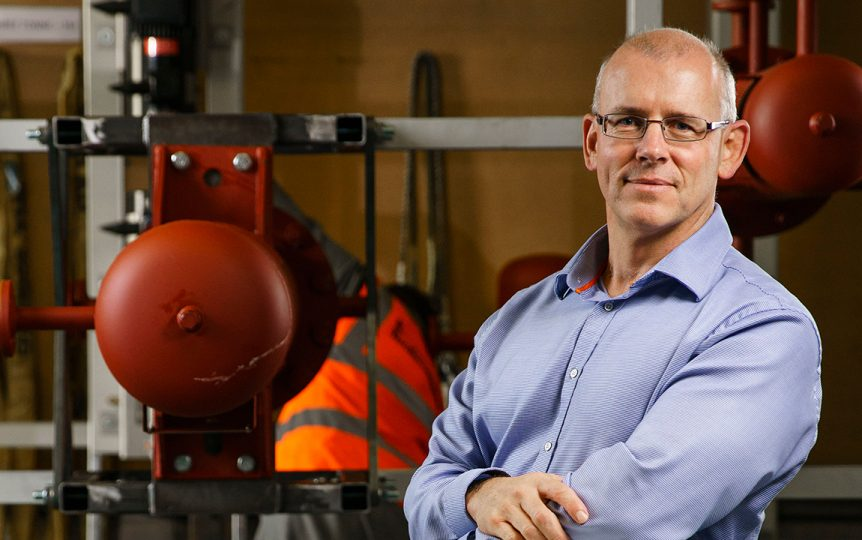
This week we gave our UK Marketing Director Carly free reign on an article of her choice. She chose Plastic Pyrolysis and set about digesting as much information as she could find on the subject, after hours and hours of listening to TedX Talks, watching vague YouTube Vlogs and attempting to decipher various publications, she had a realisation - she needed to speak to an expert. We used our extremely sophisticated cutting-edge profiling tool to source the perfect candidate (Ok, we used LinkedIn). We contacted Adrian Griffiths Founder and CEO of Recycling Technlogies in Swindon, who kindly agreed to provide us with an insight into all the fantastic work they are doing through Pyrolysis!
What is Plastic Pyrolysis and how does it work? Plastic pyrolysis involves molecular breakdown of larger molecules into smaller molecules using heat in the absence of oxygen which is also known as thermal cracking. Taking waste plastic and essentially turning it into a feed-stock which can be used to make new Plastic!
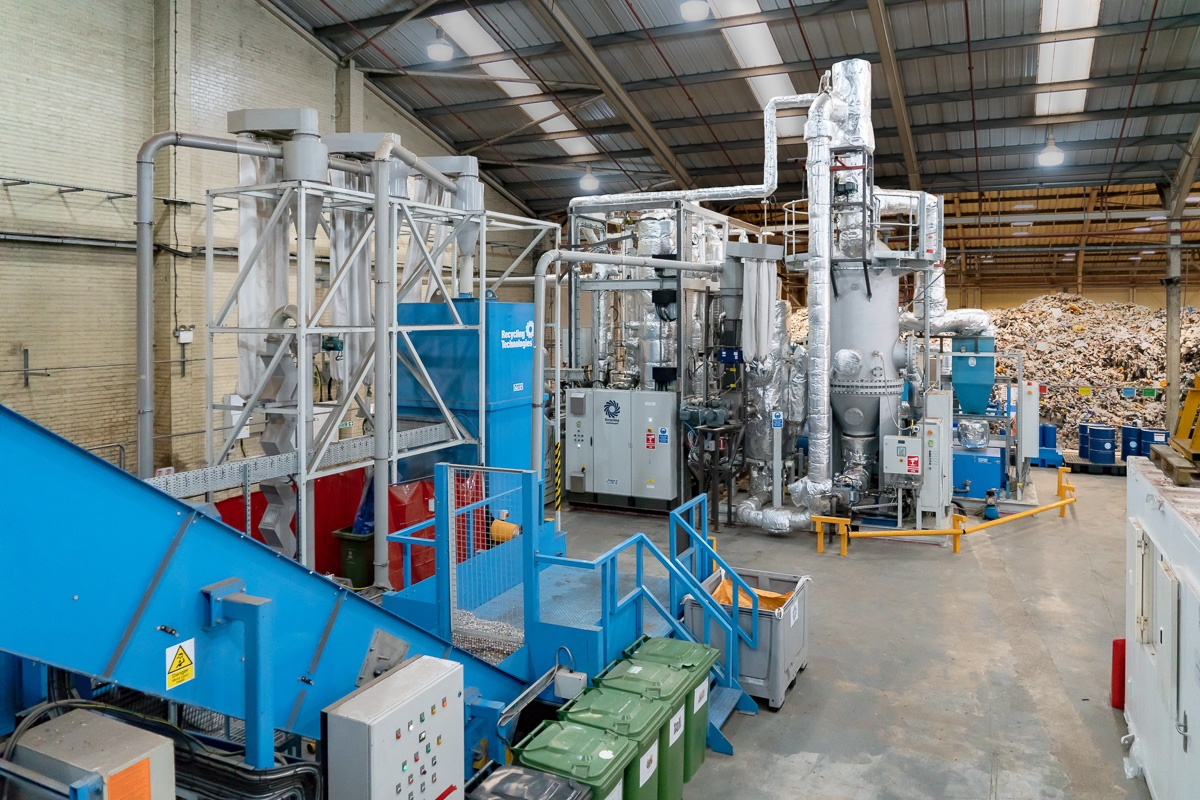
Recycling Technologies has developed and patented machinery, the RT7000, that converts mixed plastic waste into a valuable hydrocarbon product. The aim is to divert plastic waste from being exported overseas, incinerated or ending up in landfill. The hydrocarbon output product of the RT7000 process is called Plaxx®, which comprises four fractions. The liquid Plaxx® Fractions are Plaxx-8, Plaxx-16 and Plaxx-30 and these oils can be sold separately or as a whole as a recycled feedstock for steam cracking in the plastics production chain. The solid Plaxx-50 is a petroleum wax that can be used in waterproofing, all-weather surfacing and toiletries. There are alternative end markets for these fractions to be used as a fuel however they have noted “Fuel applications represent Plaxx® being used as a recovered material and are relevant where the RT7000 is located too far from a petrochemical refinery for transport to be economic and/or environmentally desirable.”
The story behind Recycling Technologies began in 2010 when Adrian was carrying out Market Analysis on Plastic Recycling at Warwick University, shocked by the lack of plastic that is recycled (only 10% of plastic is recycled, and only 2% is recycled back into the product it came from) he discussed with his university friends the viability of implementing machinery that would ultimately be more productive in the plastic recycling process.
At the end of the 1990s the Petrochemical company BP Plastics devised to build a plant in a centralised location in Scotland, economically the costs involved with the transportation of these plastics over large distances combined with the high capital cost of the facility made it impossible financially and sadly the prototype was scrapped. In order to ensure the scalability of this technology, Adrian needed to downsize the process for it to be viable for others to implement.
“I thought: what if you shrink this thing down and build a machine rather than a refinery?”
Thus the RT7000 was born, this machine takes unrecyclable plastic and chemically converts it into Plaxx a valuable hydrocarbon product. Designed with potential clients in mind- it has been sized for easy installation at recycling centres and existing waste sites. The purpose of the RT7000 is to recover and reuse materials that might otherwise be sent to landfill, incineration or exported overseas.
“The RT7000 is broken down into modules, each module is built into a standard 20ft ISO shipping frame for ease of, mass-production in individual lines, transportation worldwide either by land or sea, and allowing for quick on-site installation.”
It has the capacity to take all types of plastic with only a small percentage of PVC allowed, Adrian added “you wouldn’t want to put a bulk load of UPVC windows in the RT7000- it would soon make a complaint”.
The RT7000 was specifically designed to tackle plastic materials such as black trays, food pouches and laminates- packaging that is notoriously difficult to recycle.
“Our commitment is to add 10 million tonnes of plastic waste recycling capacity worldwide by installing approximately 1,300 RT7000 machines by 2027 to create a feedstock to make new plastic or use as a wax. This new capacity is equivalent to more than 3 times the EU’s current entire plastic recycling capability today.”
The ambition for the RT7000 is to have the capacity to make seven million tonnes of Plaxx® annually from the installed base of 1300 machines by 2027. The first 12 machines installed will be operated by Recycling Technologies to ensure everything is running as it should be. Moving forward they will be providing a remote monitoring control system 24hours a day - 7 days a week.
Needless to say, this technology has the capacity to be hugely influential on the Waste Management industry, potentially leading us towards a more Circular Economy by providing an alternative and vastly more sustainable solution for the recovery of waste plastics. Plastic has come under a lot of scrutiny in the press as of late, it has been largely demonised. But plastic isn’t the super villain it’s been made out to be, this material is imperative to our way of life from its use in vehicles and many other important applications that we use daily. Our throwaway culture combined with a lack of responsibility and investment in our infrastructure is the real root of the problem, it’s time that we started seriously considering innovation as the key to tackling this ongoing issue.
To learn more about Recycling Technologies and the incredible work they do, please visit- https://recyclingtechnologies.co.uk/